

Congressional Meetings Tookit
Congressional Meetings Tookit
Congressional Meetings Toolkit
Do you want to meet with your elected federal representatives but can’t come to Washington? Did you miss out on CVD but still want to have your voice heard? Do you want to organize your Section’s ICOP? Then this toolkit is for you!
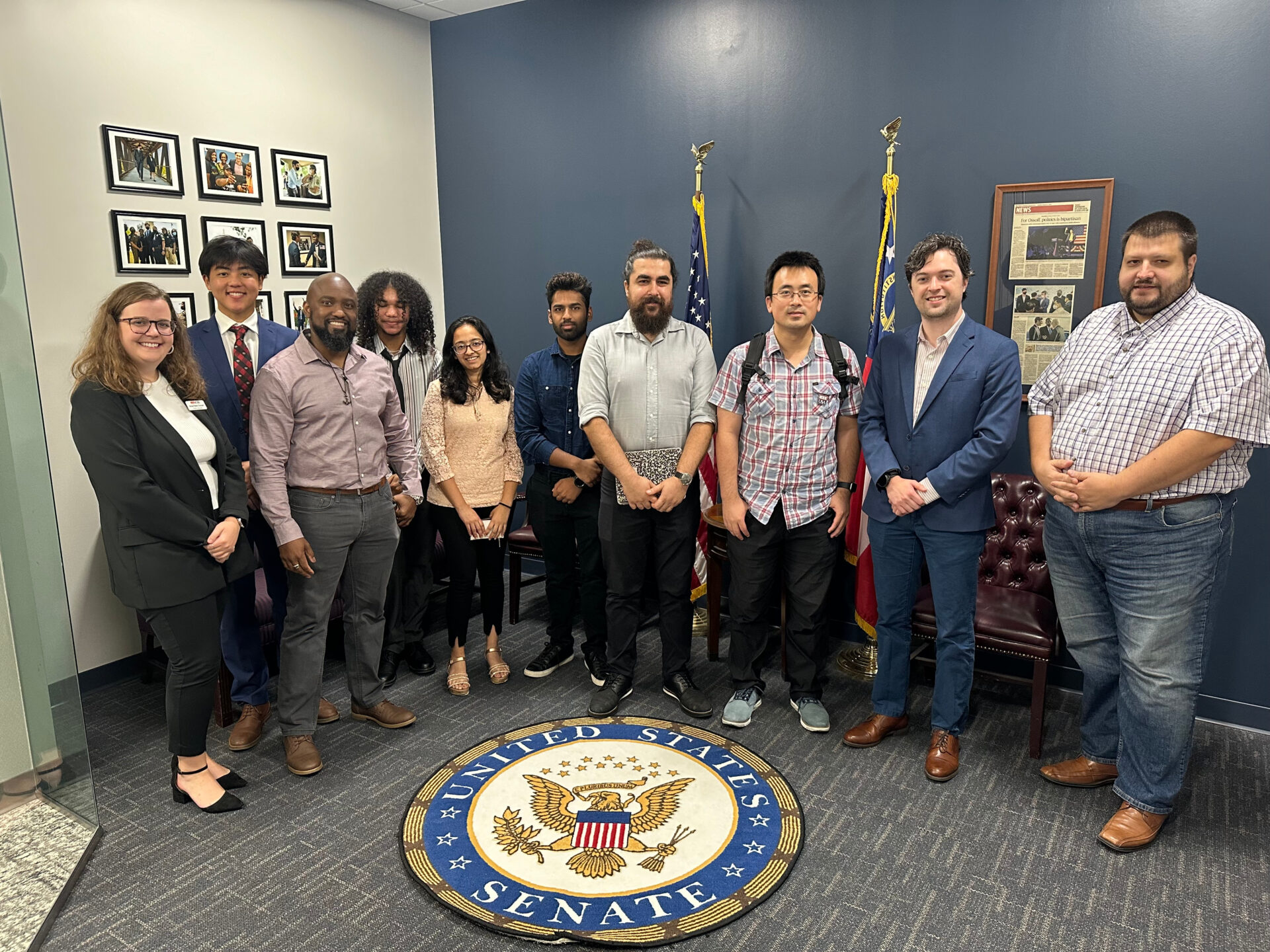
What’s in this Toolkit?
This toolkit provides a basic how-to guide for meeting with your congressional delegation in the U.S. Congress, which includes your Representatives and Senators. It is not intended to cover meetings with your state or local officials.
While this guide focuses on federal meetings, you are welcome to meet with your state or local officials independently. Please note that these processes vary from state to state.
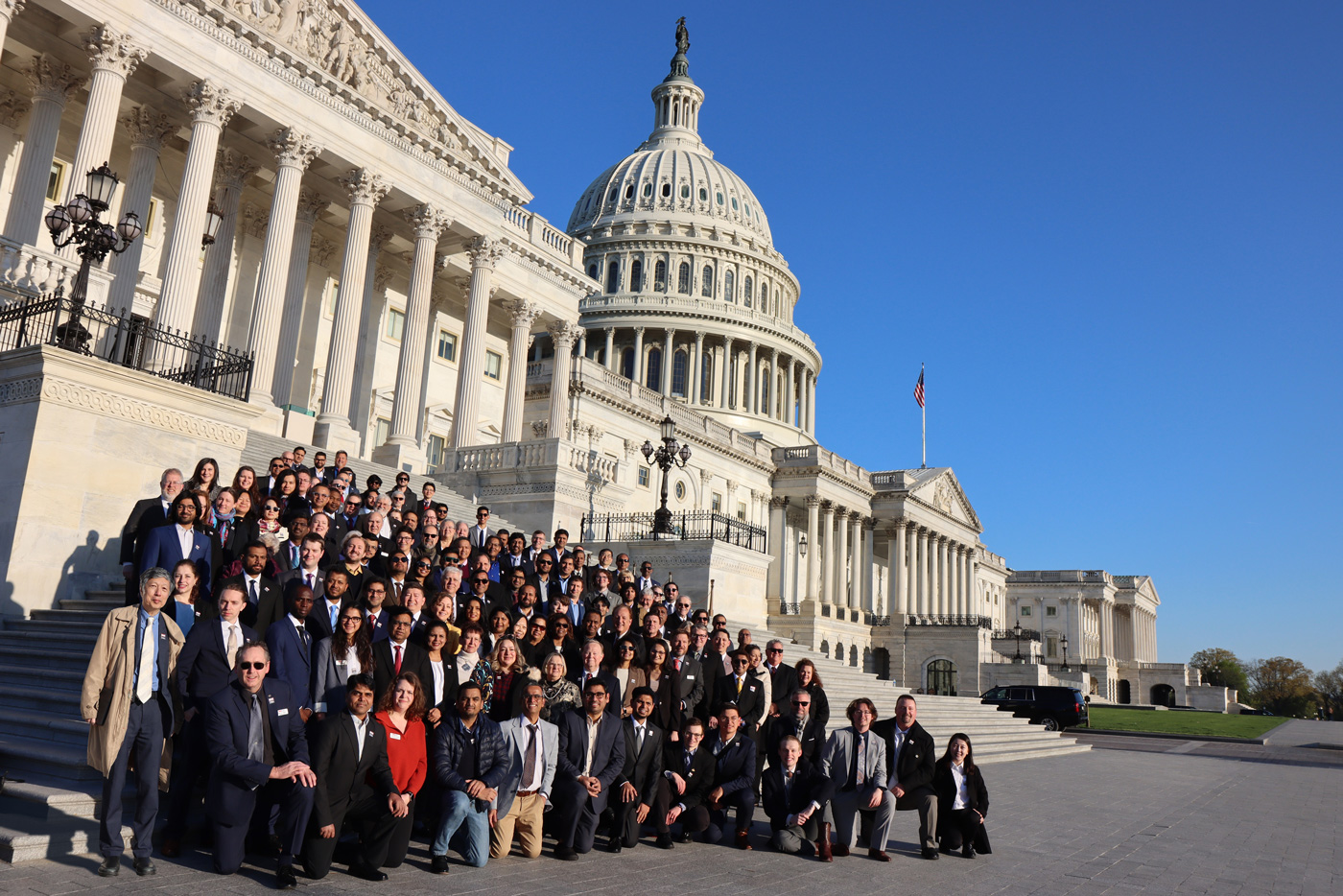
Congressional Visits Day (CVD) is an annual event hosted by IEEE-USA in Washington, D.C., bringing together engineers, scientists, mathematicians, researchers, educators, and technology executives to raise visibility for and support engineering and technology. This premier event is open to all IEEE members in the United States. This event offers IEEE members in the United States the opportunity to introduce themselves, their companies, and their professions to their elected representatives in the United States Congress.
CVD is a two-day event that provides training on how to conduct congressional meetings, starting with a training conducted by IEEE-USA’s Government Relations team. Through this, participants gain an understanding of the vital science and technology legislation affecting IEEE members throughout the United States. After the training, the next day is spent on Capitol Hill, meeting with the offices of Representatives and Senators to discuss these vital topics. Participants are divided into groups with other IEEE members based on where they live in the U.S., and they work collaboratively during these meetings.
Throughout the year, the IEEE-USA Government Relations team helps plan for CVDs. They schedule all of the Congressional meetings leading up to CVD and help lead the CVD training. The government relations team comprises experienced public policy professionals who are registered lobbyists. Their focus during their day job is to represent the public policy positions of IEEE-USA members to members of Congress. The team works directly with elected officials, advocating for laws that support public policy in science and technology.
Since you are not a registered lobbyist, and we do not expect you to be, IEEE-USA created the CVD. We understand that it may be difficult for our members to travel to Washington, D.C., so after more than 25 years of hosting CVD, we have developed this guide to help you hold CVD-style meetings on your own, closer to home, and at your convenience.
Understanding Congress
Remember
- You are not representing or speaking on behalf of IEEE-USA or your employer.
- You are not a registered lobbyist.
- You are advocating for a public policy issue as a concerned citizen, IEEE member, voter, and constituent.
If you meet with a member of Congress or their staff, please inform the IEEE-USA Government Relations team. We maintain ongoing relationships with every congressional office, and your updates help us stay informed about developments in the field.
Why Does It Matter?
Meeting with a member of Congress or their staff is an essential part of civic engagement and your right as a constituent. These meetings help bring expert perspectives directly to the people who shape federal policy. Your insights, especially as a technologist, can be incredibly valuable. Many lawmakers lack technical backgrounds and greatly benefit from hearing from subject-matter experts, such as IEEE members.
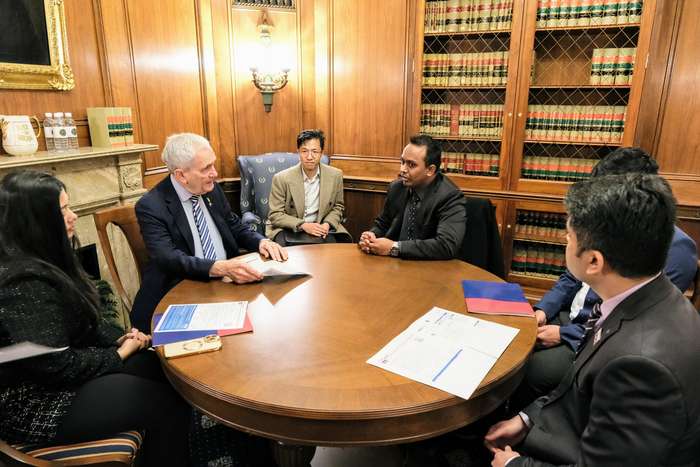
What are Congressional Meetings Like?
You’ll most likely be meeting with congressional staff rather than the Representatives or Senators themselves. However, if your visit takes place during a congressional recess, when members are usually back in their home states and not in DC, you may have the opportunity to meet with a member of Congress directly.
Note: When we refer to a “member” or “Congressional member,” we mean a member of Congress (not an IEEE member). For more information, please see “Congressional Terms” at the bottom of this guide.
Do not be discouraged if your meeting is not with the member directly. Staffers play a critical role. They are professionals who regularly brief their bosses on the issues and handle research, public policy development, and day-to-day decision-making. Meeting with staff can sometimes be more impactful.
Here’s another way to think about it:
Member-level meetings
- Direct meeting with a Senator or Representative
- Time-limited
- Very high-level issue discussion
- Emphasize your constituent connection
- Prepare a concise, clear message
- Likely to last only 10 minutes
Staff-level meetings
- Meeting with a legislative staffer
- Often allows for deeper conversation
- Staffers influence and advise their boss
- Great opportunity to build relationships
Keep your group size to a maximum of 10 people. If you’re approaching that number, please contact the office ahead of time to confirm capacity or inquire about whether an alternative venue would be more suitable.
You will likely not be meeting with a technical expert. Do not assume the staffer has a science or engineering background. Ask yourself, ‘Would my mom, an accountant with no tech experience, understand what I’m saying?’ Unless the staffer’s job title indicates they work on science and technology public policy, assume they are unfamiliar with the basics. Avoid jargon and explain even basic concepts, such as semiconductors or LLMs, in plain terms.
Here are some additional reminders for your meetings:
- Meeting schedules often change at the last minute.
- Be adaptable, courteous, and professional.
- IEEE is a nonpartisan nonprofit, so we do not take partisan positions.
- Treat every staff member with respect. These relationships matter both to IEEE and to your community’s voice in Washington.
Sample Meeting Structure and Guidance
Meetings may be brief or lengthy (ranging from 15 minutes to an hour) and can take place in various settings, from formal offices to hallways. Regardless of the setting, maintain a professional, respectful, appreciative, concise, and authentic tone.
One of the most common mistakes we observe is when one person dominates the conversation. Ensure that everyone has an opportunity to speak, and allow sufficient time for staff questions. Never talk over congressional staff.
It’s easy to ramble without realizing it, especially when you’re nervous. Practice your points out loud beforehand, like you would for an interview. Preparation will help you stay on message.
If you do not know the answer to a question, do not guess or make something up. It is perfectly fine to say, “I don’t know, but I can follow up.” You can always reach out to the IEEE-USA Government Relations team for help with follow-up.
A typical meeting might follow this structure:
- Introductions (3–4 minutes): Briefly introduce yourself and your connection to IEEE.
- Key topics (about 5 minutes): Share 1–2 main policy priorities.
- Specific ask (if appropriate): For example, “Will Representative X support [policy/bill]?”
- Questions and discussion
- Thank you, and departure
Each person should prepare a short, one-minute personal introduction. This is not the time to recite your entire resume. Focus on three things: your name, your town of residence, and your current professional role (in non-technical terms). Emphasize your local connection—your local employer, community involvement.
For example, saying you are a process integration engineer working on advanced processing units in a fab will not impress most congressional staff. But saying you work on CHIPS at a local tech startup founded in their district is much more relatable and persuasive.
We cannot stress enough the importance of practicing your introduction and key points out loud ahead of time. Many participants get flustered or forget what they wanted to say. Preparation makes all the difference.
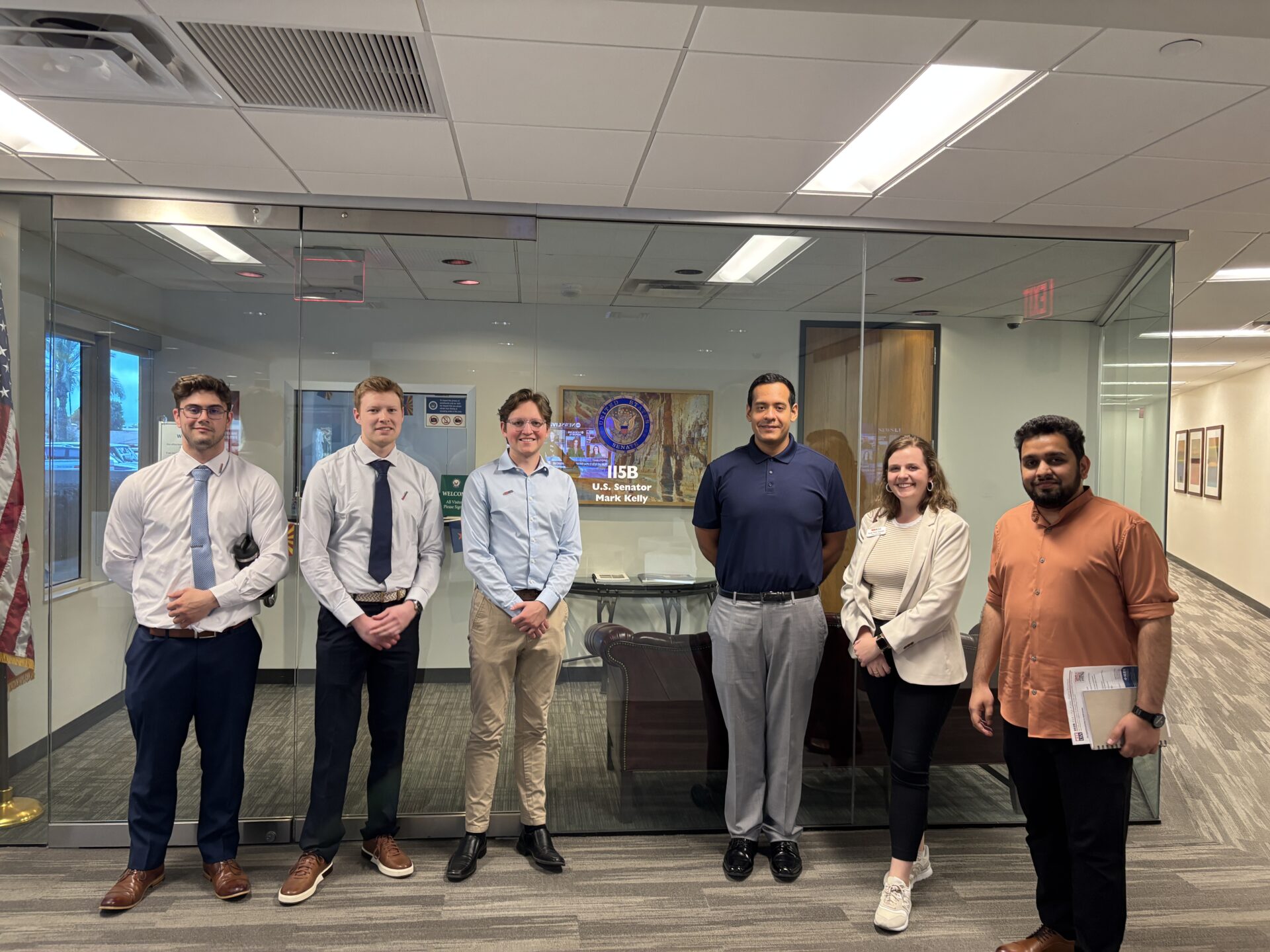
Planning Your Meeting
ASAP (Initial Planning)
- Pick a date for your event.
- Check the congressional calendar to identify when members of Congress will be in their home states (not in Washington, DC). You’re more likely to meet with the member directly when Congress is out of session.
- Consider other calendars: University academic calendars, Federal and religious holidays, and other IEEE events
- Engage local stakeholders:
- IEEE regional and section leadership
- Local IEEE university chapters and societies
- Larger group participation improves the quality of meetings!
- Start Organizing the Group
- Hold an initial interest meeting with local IEEE members.
- Consider setting up a biweekly planning committee meeting.
- Appoint an event lead to gather attendee information.
- Collect the following details for each participant:
- Full name
- Workplace or university
- Home address (needed to identify their congressional representative)
- Phone number and email address
- Major or field of work/study (some offices ask)
- You can use a Google Spreadsheet, Google Form, or IEEE vTools to collect this information.
- Consider Additional Activities: In addition to congressional meetings, think about:
- A Young Professionals (YP) meetup
- A networking or debrief event with your section or region
- Group Size: Limit congressional meeting groups to 10 participants per meeting. One option is to create separate groups for meetings with different offices (e.g., one group for Senator A, another for Senator B).
- Hold an initial interest meeting with local IEEE members.
2 Months Out: Outreach and Scheduling
- Identify which Representatives and Senators you will meet with.
- Typically, when scheduling meetings on your own, you should aim to meet with your two Senators and one Representative (three meetings total), based on your home/business address.
- If you are organizing a group of IEEE members, you may try to meet with multiple Members of Congress. For example, in a large city like New York, someone living in Brooklyn will have a different Representative than someone in Queens.
- In all cases, please ensure that at least one person in each meeting is a constituent.
- How to meet with both Senators and the Representatives of your attendees:
- Use gov to look up congressional representatives by home address.
- Each Representative and Senator serves on several committees that cover various policy areas. Consider meeting with those whose committee assignments are relevant to IEEE interests:
- House: Science, Space, and Technology; Appropriations; Judiciary; Leadership; Energy and Commerce, Ways and Means; Small Business
- Senate: Commerce, Science, and Transportation; Appropriations; Judiciary; Leadership; Energy and Natural Resources; Small Business
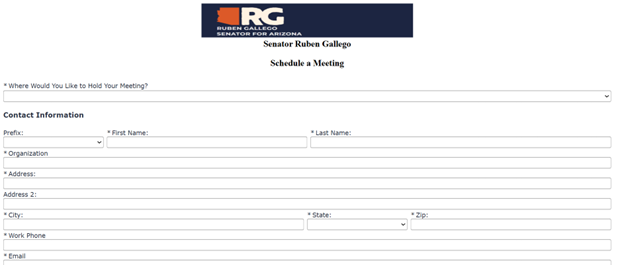
- Start Scheduling: Use official .gov websites to submit meeting request forms. Be cautious not to use campaign or unofficial sites.
1 Month Out: Follow-Up and Meeting Logistics
- Follow up regularly with congressional offices. Many meetings are confirmed at the last minute (and do not get frustrated if they are). If you do not hear from an office, do not give up!
- Call both the DC and district offices (phone number found on the official website). Ask to speak with the scheduler if necessary.
- Use LinkedIn or Leadership Connect to identify staffers.
Typical structure of a congressional office:
In DC: Member > Chief of Staff > Legislative Director > Scheduler > Legislative Assistant > Legislative Correspondent > Staff Assistant > Intern
In District: State Director > Regional Director > Constituent Services > Staff Assistant
- Hold meetings with whoever is available, including interns. All contacts are valuable and respected.
- Prepare Meeting Materials: Leave-behind materials should include:
- One-pager on IEEE (we have a template)
- One-pager on your specific “ask” (with visuals if possible)
- Avoid including overly technical content or lengthy documents.
- Do not say you represent IEEE unless officially authorized.
- Get familiar with IEEE-USA’s Position Statements: Topics include: AI, workforce, energy, education, R&D, immigration, and more.
- Define Your “Ask”
- Use IEEE-USA’s Congressional Visits Day (CVD) materials as a reference.
- Example ask: “As part of the FY26 appropriations process, please protect important technology and innovation-driven initiatives through strategic investments in key science and technology agencies: NSF, NIST, DOD, DOE, and NASA.”
- Your ask can also be simple: an introduction or a conversation around a specific topic.
- If you need help formulating your ask, reach out to IEEE-USA staff.
- Create a Meeting Script (Optional): A script is helpful to assign roles, but not to be followed word-for-word.
Example Script Outline
Group Lead: Senator/Congressman-woman/Staffer X, thank you for taking the time to meet with us. If that’s okay, we’ll start with a brief introduction to the group.
[Each person says their name, hometown, professional affiliation, any local hooks – BE BRIEF!]
Member 2: (Introduce IEEE) We are a small representation of the more than 150,000 IEEE members nationwide; XXX of whom are from [state]. Suggested IEEE facts to mention:
-
- IEEE is the largest technical professional society in the world
- IEEE traces its roots to Alexander Graham Bell and Thomas Edison
- Our codes and standards enable Wifi
- IEEE members have won 21 Nobel Prizes
-
- We’re here today to briefly discuss a few of the policies we believe are essential to science and technology in the US.
- Member 3: Ask #1
- First, we’d like to raise the importance of our science and tech agencies.
- We hope you can support strategic investments in FY26 for some essential agencies. I work in the XYZ industry, and this is why it’s important to me and the district/state (briefly provide an example). (Do not forget to make the ask!) Can we count on your boss’ to support us in this?
Group Lead: Thank you for taking the time to meet with us. Here is our contact information. We would love to stay in touch and follow up with the requested information.
1–2 Weeks Out: Final Prep
- Hold a prep meeting with your IEEE group:
- Confirm schedule, logistics, parking, and emergency contacts
- Assign speaking roles and review the asks
- Practice briefly
- Collect and confirm final contact info from all participants.
- Print meeting materials (for members, staff, and yourself).
- Send final details to participants:
- Meeting times
- Office locations
- Staffer names
- Parking and access info
- Background on the member and relevant committees
- Plan your post-event debrief:
- Consider a follow-up survey, shared meal, or YP meetup to reflect on the meetings
- Stay Informed
- Follow IEEE-USA’s Washington Update and monitor key federal news. Staying current will help you have more informed and timely conversations. For example, if Congress is in the middle of budget negotiations, that could be a relevant topic to mention. There are many opportunities to connect your message to what’s happening in Washington.
Before the Meeting
- Plan ahead
- Print out materials and bring business cards. Have enough copies for yourself and your team.
- Draft a meeting structure or script, particularly for introductions and connections to the state or district. Assign who will present key talking points and clearly outline the “asks.”
- Logistics matter.
- Leave plenty of time between meetings.
- Arrive 30 minutes early, but do not enter the office until your scheduled time. Wait in the hallway or your car.
- Use Google Maps to plan parking and ask staffers for arrival instructions in advance.
- Confirm your meeting. Send a reminder email to the people you are meeting with the day before or the morning of. See example below:
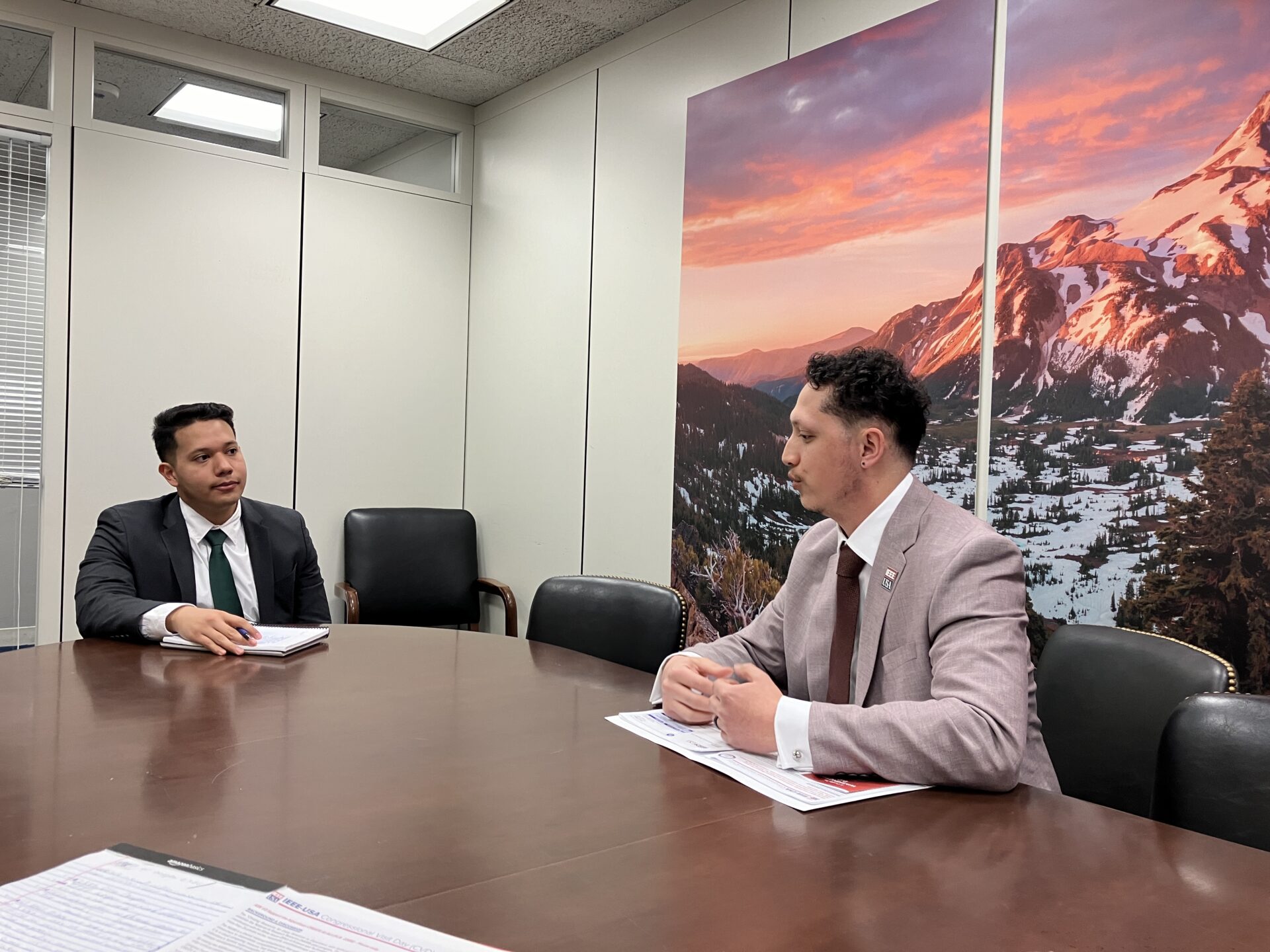
During the Meeting
- Dress professionally. Business attire sets the tone.
- Be respectful. Show respect to all staff members, regardless of their title.
- Be concise. Stay focused on your message and mindful of time.
- Take notes and bring business cards.
- Ask before taking photos. NEVER video or record a meeting.
Quick Reference & Congressional Terms
Quick Reference
There are three levels of government — federal, state, and local. Every citizen has elected representation at each level. In this case, you are meeting with your federal representatives.
For example, if you live in Texas, your state legislature meets in Austin. However, that is not where your federal representatives are. Your two U.S. Senators and your U.S. House Representative work in Washington, D.C., but they also maintain offices in your state. These are the offices you will visit.
Congress is made up of 535 members:
- 100 Senators (2 from each state)
- 435 Representatives (based on population—states like California have as many as 52, while others have just 1)
Every member of Congress has an office in Washington, D.C., and at least one office in their home state. This guide focuses on helping you connect with those in-state congressional offices.
Congressional Terms
- Bill: A proposed law presented in Congress for debate and voting.
- GOP: Stands for “Grand Old Party,” a nickname for the Republican Party.
- Speaker of the House: The presiding officer of the House of Representatives who leads debates, enforces rules, and represents the chamber publicly.
- Committee: A group of legislators that is assigned to oversee a specific set of issues and holds jurisdiction over all legislation related to those issues.
- Majority / Minority: The majority party holds more seats; the minority holds fewer.
- As of 2025, Republicans hold the majority in both the House and Senate.
- Member (or Congressional Member): A person who has been elected to serve in the United States Congress, which includes both the Senate and the House of Representatives. In this context, “member” refers to a member of Congress, not an IEEE member.
- Congressional Delegation: The group of U.S. Senators and Representatives who represent a specific state or territory in Congress. For example, the “Texas congressional delegation” includes all Senators and Representatives from Texas.
- Congressman / Congresswoman: A common (though informal) term for a member of the U.S. House of Representatives, serving a two-year term.
- Senator: A member of the U.S. Senate. Each state has two Senators who serve six-year terms.
- Representative (Rep): A member of the U.S. House of Representatives. The number of Representatives per state is based on population, and each serves a two-year term.
- Congressional Meeting: A meeting with a Senator, Representative, or their staff to discuss issues, provide information, or share perspectives relevant to the Member’s work in Congress.
Staff Contacts
Annie Perrin Grisham
Policy Associate, Government Activities
Email: a.grisham@ieee.org
Ryan Cunius
Senior Legislative Representative, Government Relations
Email: r.cunius@ieee.org